


Introduction
If you’re wondering what exercises help prevent osteoporosis: a complete guide, you’re taking the first step toward stronger bones. Osteoporosis weakens bones, increasing fracture risk, but regular physical activity can make a significant difference. In this guide, you’ll discover effective bone-strengthening workouts, resistance training for bones, and safe low-impact bone exercises, along with practical osteoporosis exercise routine tips and weight-bearing fitness tips to protect your skeletal health.
Effective Bone-Strengthening Workouts
Weight-Bearing Exercises
Weight-bearing fitness tips are crucial for stimulating bone growth. Activities like walking, hiking, dancing, and stair climbing encourage bones to bear weight, improving density and strength over time. These exercises form the foundation of any osteoporosis exercise routine.
Resistance Training for Bones
Incorporating resistance training for bones helps strengthen the muscles that support your skeleton. Using free weights, resistance bands, or bodyweight exercises like squats and lunges targets key areas prone to osteoporosis, improving both stability and bone density.
Balance and Posture Workouts
Adding balance exercises to your bone-strengthening workouts reduces the risk of falls, which is vital for osteoporosis prevention. Yoga and tai chi enhance posture, coordination, and flexibility, making your osteoporosis exercise routine more effective.
Low-Impact Options for Safe Osteoporosis Exercise Routine
Swimming and Water Aerobics
While not weight-bearing, swimming and water aerobics are excellent low-impact bone exercises that improve cardiovascular health, muscle strength, and joint mobility without stressing fragile bones.
Chair Exercises
For seniors or individuals with limited mobility, chair-based workouts provide safe options. These exercises incorporate gentle resistance and movement, maintaining bone health while minimizing risk.
Stretching and Flexibility
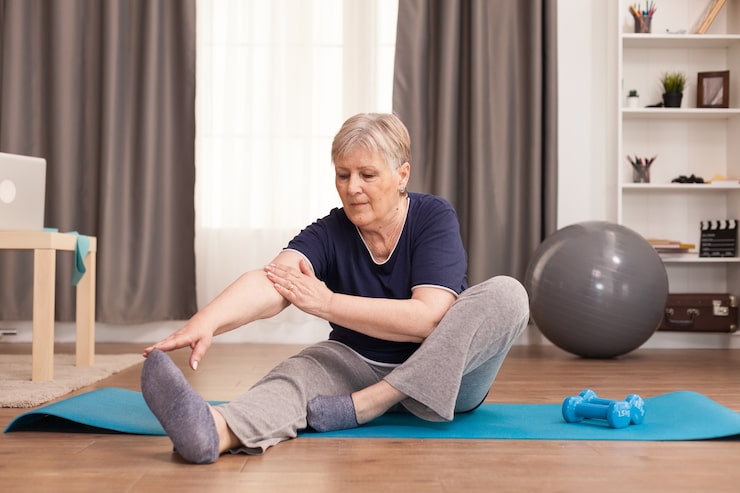
Incorporating stretching improves range of motion and posture. Using stretches as part of a low-impact bone exercises routine complements weight-bearing and resistance activities, enhancing overall skeletal health.
Tips to Maximize Resistance Training for Bones Benefits
Start Slowly and Progress Gradually
Begin with light resistance and low-impact exercises, gradually increasing intensity. This ensures safety while building strength and endurance in your bone-strengthening workouts.
Combine Different Exercise Types
Mix weight-bearing fitness tips with resistance training for bones and low-impact bone exercises. A diverse osteoporosis exercise routine maximizes bone density benefits and reduces the risk of injury.
Consistency and Tracking
Consistency is key. Aim for at least 3–5 days per week, and track progress using a journal or app. Monitoring your osteoporosis exercise routine helps maintain motivation and ensures you follow bone-strengthening workouts effectively.
Conclusion
Understanding what exercises help prevent osteoporosis: a complete guide is vital for long-term bone health. Combining bone-strengthening workouts, resistance training for bones, weight-bearing fitness tips, and low-impact bone exercises forms a comprehensive osteoporosis exercise routine. Regular practice, consistency, and mindful progression empower you to strengthen bones, improve balance, and reduce fracture risk. Incorporating these exercises into your lifestyle is a simple, effective step toward stronger, healthier bones.